Articles.
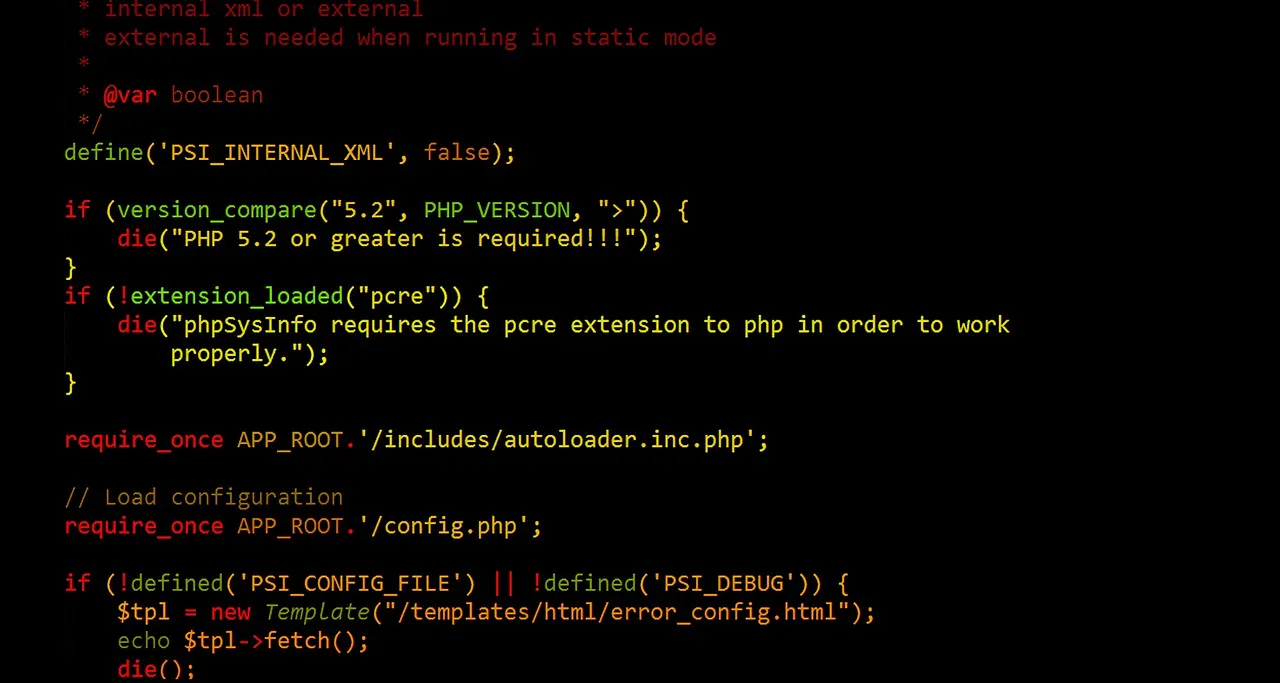
PHP 5.6 to PHP 8 or full rewrite: how to decide
Upgrading PHP 5.6 to PHP 8 usually costs less than a rewrite. Three measurements (compatibility, dead dependencies, revenue flows without tests) tell you if your case is the
 Victhor Araújo
Inherited 200K lines of spaghetti code? The first two weeks
The first two weeks on an undocumented legacy codebase: boot it from scratch, instrument production, map the five revenue paths. And why the day-4 rewrite call backfires.
Victhor Araújo
AI teams ship more code and deliver less: what to measure
PR volume is up and the product hasn't moved. Four measurements that expose where AI turns into debt: review queue, 30-day rework, mutation score and real customer use.
Victhor Araújo
Mainframe and AI: legacy is missing logs and owners, not age
CIO Dive reports AI agents helped sustain confidence in the mainframe. Three checks that tell you whether your system is legacy, and what to do about each one.
Victhor Araújo
Who Found the Outage First — You or Your Customer?
The vendor dashboard was green while checkout was down. The problem is not that systems fail, it is the order people find out: the customer before the vendor you pay to watch it. On why real monitoring measures symptoms, not CPU.
 Raquel Reis
Squad as a service (RaaS) vs. squad as a project: 2 models compared
RaaS (Revin as a Service) is continuous capacity for product evolution. Squad as a project is fixed-scope delivery. Both look the same outside, but assumptions and contracts diverge. Revin operates both — see which fits your case.
Victhor Araújo
How to measure real seniority (without trusting resumes)
In 2026, "senior" on LinkedIn means nothing. Revin developed a 4-hour protocol that separates real seniors from inflated resumes. See the method — and why this protocol is structural differentiation for our squad.
Victhor Araújo
Replace a squad member without losing velocity: the Revin protocol
Replacing a dev in an external squad usually stalls projects for 30-60 days. Revin operates with a 5-14 day SLA and documented handoff. See the 4-phase protocol — and why this is the most underrated differentiator of a managed squad.
Victhor Araújo
The weekly ritual that decides if the squad works or not
Daily isn’t enough. Monthly retro isn’t enough. What separates a squad that ships from a squad that improvises is a 45-minute weekly ritual with 5 specific questions. Revin runs this ritual across all clients. Here is how it works.
Victhor Araújo
The day your architecture becomes your product (and nobody warns you)
At some point the team stops shipping features and only "prepares to scale". That is the day your architecture became the product — and you missed the memo. How to spot the sign and what to do about it.
Victhor Araújo
Definition of done: the secret contract nobody writes
80% of contracts with external squads break before the first deploy. The reason is never technical — it’s the definition of done. Here’s why most teams skip this conversation and how to structure yours before signing.
Victhor Araújo
Nearshore Brazil vs. offshore India in 2026: what changed since 2015
In 2015, India offshore won on price. In 2026, the math has flipped: timezone, coordination cost, USD wages, and process maturity changed the equation. Here is why founders in the US, UK, and Australia are looking at Brazil.
Victhor Araújo
The hero tech lead syndrome: how a managed squad dissolves bus factor
Every startup has one. The person who knows everything, decides everything, codes the critical part. When they go on vacation, engineering stops. A managed squad dissolves that bus factor by default — not by luck. See how and why it matters.
Victhor Araújo
5 signs your dev agency is a bodyshop in disguise
Every agency now sells itself as a "squad". Most operate as bodyshops — they rent you people and hand the management back to you. Here are 5 signs to recognize one, and what a real managed squad delivers instead.
Victhor Araújo
External squad onboarding in 14 days: the Revin playbook
Most external squads take 30-60 days to deliver value. Revin structured a 14-day onboarding in 3 phases — without compromising quality. See the full playbook, phase by phase.
Victhor Araújo
Managed squads vs. staff augmentation: how to decide
Hiring engineering by the hour or by the outcome? Compare staff augmentation and managed squads across governance, risk, and velocity — and figure out which model actually fits your product before you sign.
Victhor Araújo
Tech debt is a risk spreadsheet, not an engineering complaint
CFOs tune out. Devs vent. Founders defer. Mistranslated tech debt becomes the worst kind of risk: invisible. Here is how to turn the conversation into a spreadsheet item any executive can decide on in 5 minutes.
Victhor Araújo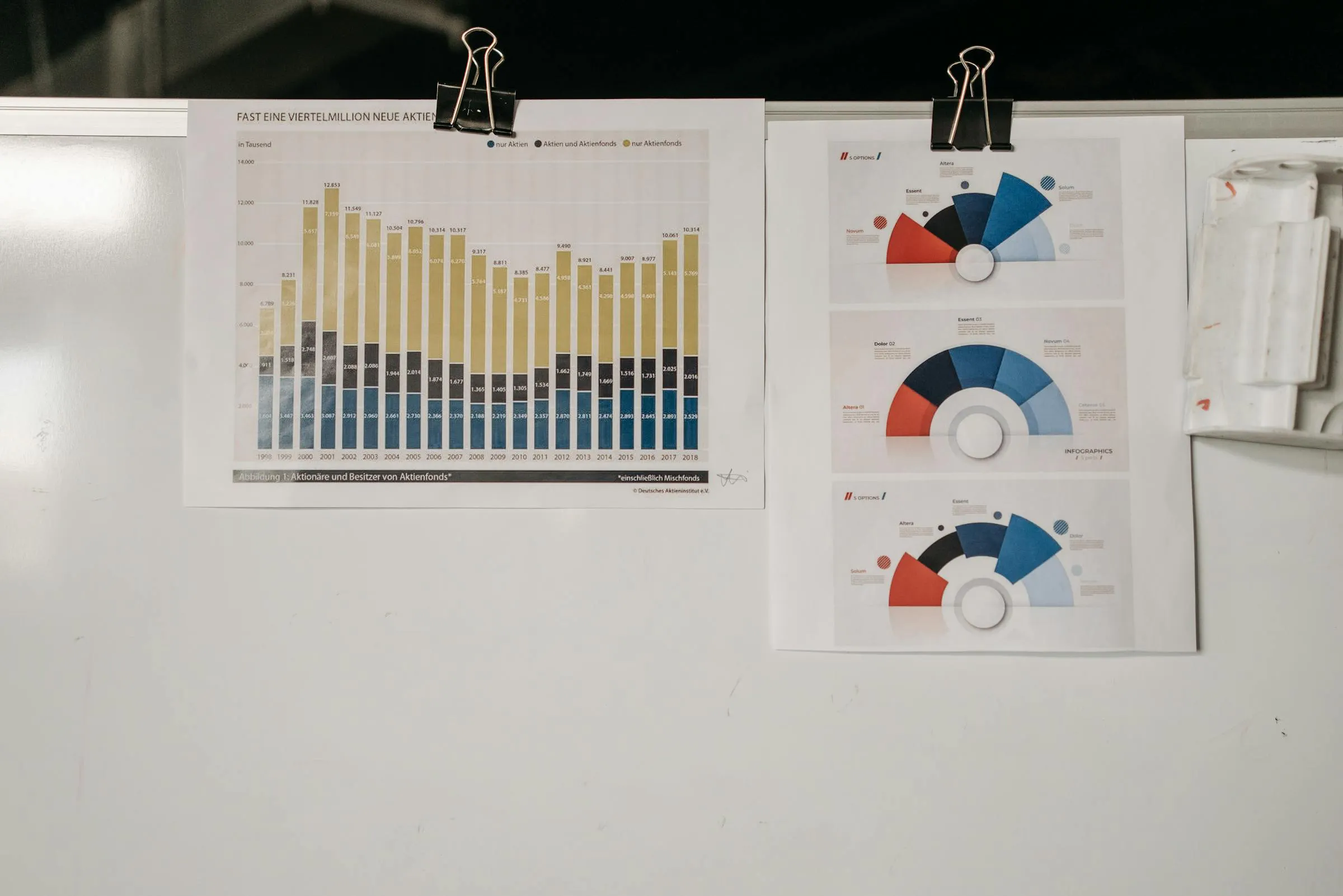
Roadmap theater: why a pretty Gantt chart hides a squad that does not deliver
The roadmap slide looks gorgeous: colorful bars, aligned milestones, everything "on track". But the product is not moving. Management theater is the art of looking like you ship without shipping. 6 signs you are paying for a show, not for software.
Victhor Araújo
The stack you never update sends its bill without warning
I keep reviewing products running on versions that died years ago, and the pattern holds: nobody decides to freeze the stack, it freezes on its own because maintenance never fits into any budget. The bill shows up all at once on a bad day, and the teams that tend to it weekly almost never let it show up.
Raquel Reis
Who actually owns your code? The answer is usually worse than you think
I watched a healthtech spend 23 days getting admin access to its own repository. On paper the code was theirs. In practice it was not. On the gap between owning something in a contract and owning it for real, and the half-hour test that shows which side you are on.
Raquel Reis